
How to Check Criminal History in Atwater
Atwater Police holds reports created by its officers. Merced County Sheriff holds county jail booking entries, and Superior Court holds filed felony and misdemeanor cases. Start by deciding whether the goal is a police report, a crash report, custody information, a court outcome, or your own statewide fingerprint history.
- Use Atwater Police Records for an existing city incident or arrest report.
- For an eligible new non-emergency incident, review the department's online-report categories.
- Use Merced Superior Court for charges, hearings, and dispositions.
- Search Sheriff Inmate Inquiry for county booking details.
- Request California DOJ record review for your own statewide rap sheet.
Save every report, booking, citation, and case number. They are not interchangeable, even when they concern the same event.
Atwater Online Report Categories
The Atwater Police Department page lists a defined set of events for online reporting: harassing phone calls, lost property, theft, vandalism, vehicle burglary, vehicle tampering, credit card fraud, identity theft, hit-and-run non-injury collisions, other non-injury collisions, and private-property traffic collisions.
The list is an intake rule, not a searchable criminal-history index. Filing creates a city police record for review. It does not establish that a suspect committed an offense, create a county booking, or show a court outcome. If an older report already exists, ask the Records Bureau about access rather than filing the same event again. Emergencies go to 911, while questions about whether an event qualifies should go to dispatch.
The Atwater Police Department
Atwater Police describes a Records Bureau that serves residents, department staff, and other agencies needing information and assistance. The same official page describes Patrol Bureau and Dispatch Center functions. Those roles create a clear local split: patrol responds and documents events, dispatch sends help and receives calls, and Records manages the resulting files.
The department lists 24-hour non-emergency dispatch at (209) 357-6396. Use that number when an officer response may be needed or the online-report rules do not fit. The researched source does not provide a Records Bureau street address, direct number, copy fee, or public counter hours. Do not assume them. Call dispatch or consult the official department page for the current records route before visiting.
Evidence Changes the Atwater Route
Atwater's most important reporting caveat concerns evidence. If evidence may lead to possible suspect identification, the department instructs the user to call dispatch at (209) 357-6396 for an officer response instead of filing online. Evidence can include facts or material that officers need to assess, preserve, or collect. The official rule does not invite the filer to decide guilt.
Describe what exists and where it is. Avoid moving, altering, or uploading material unless an officer or the reporting system instructs you. Dispatch determines the response. Once the police report is created, Records becomes the copy channel. If an arrest follows, custody information moves to the Sheriff's system; if a charge is filed, the legal outcome belongs to Superior Court.
Do not use online reporting when evidence may identify a suspect. Call Atwater Police Dispatch for an officer response.
Arrests and Bookings in Atwater
An Atwater arrest begins as a city police record. If the person enters county custody, Merced County Sheriff creates the booking entry. The official sources support city police records plus county jail routing, not a separate Atwater public jail roster. Search by name, subject number, booking number, custody status, dates, or housing facility in the county inquiry.
Booking details may include the arresting agency, booking origin, charges, bond, bail, court dates, docket numbers, release fields, and disposition fields received by the jail system. Those data points can change as the case moves forward. An arrest is not a conviction, and an early charge description is not necessarily the charge prosecutors file. Use Merced County Arrest History for the deeper custody process and Superior Court for the case result.
Atwater Crash Reports Through CrashDocs
The Atwater police page routes accident reports to CrashDocs.org. That named channel distinguishes a completed accident-report request from the department's online intake system for reporting a new event. Before using it, gather the collision date, location, involved names, and any report number supplied by officers.
A crash report can document a non-injury collision, officer observations, parties, and related facts, subject to release rules. It is not a complete criminal record. If the incident produced an arrest, locate the separate booking record. If a citation or criminal charge reached court, use the court's traffic or criminal channel. Keeping the accident report separate prevents a collision document from being mistaken for proof of a filed offense or final disposition.
Atwater Municipal Court Records
The researched official sources do not identify an independent Atwater criminal court. State felony and misdemeanor cases from Atwater route to the Superior Court of California, County of Merced. Criminal case information is not available to the general public through the court's normal remote case-record search. Nonconfidential files are available through the clerk, written requests, or the Criminal office public computer.
| Court Name | Superior Court of California, County of Merced, Criminal Division |
|---|---|
| Case Types Heard | Filed felony and misdemeanor cases arising from Atwater; related hearings and dispositions |
| Case Lookup Channel | Criminal clerk counter, written Record/Search/Copy Request, or Criminal office public computer |
| What the File Shows | Charges filed, hearing history, minutes, orders, disposition, and sentence details when public |
| Copies & Fees | Search and copy fees may apply; confidential or sealed files require authority |
For exact mail-request steps and access limits, use Merced County Criminal Court Cases.
Atwater Criminal Cases Move Toward Merced
Atwater sits close to Merced and the county jail and court complex. A city arrest can therefore move quickly from an Atwater Police report to a Sheriff booking and then to a Superior Court file. Speed does not combine those documents. Each custodian uses its own identifiers, release rules, and update schedule.
If a report exists but no booking appears, the event may not have produced county custody, the name may be entered differently, or intake may still be underway. If a booking exists but no court result is visible, prosecutors may not yet have filed or the clerk may need to search offline. Compare dates and agency names, then ask the custodian rather than drawing a conclusion from one missing result.
A release from custody also does not close the court case. Release status describes where the person is, while a court disposition records what happened to each filed charge. Later probation supervision is another distinct stage. When dates conflict, obtain the court minutes or disposition rather than relying on an old booking snapshot. That check is especially useful when an early arrest allegation was reduced, dismissed, or never filed in the same form.
Where Atwater Records End Up
Atwater officers create the city report. Merced County Sheriff creates a booking if county custody occurs. Prosecutors review the event, and Superior Court creates the judicial record once charges are filed. Fingerprint submissions and reported dispositions may later reach California DOJ's state repository.
Record flow: Atwater Police Department › Merced County Courts › California Department of Justice
A fresh event belongs first with Police Records. Current custody belongs with the Sheriff. The court file is the best source for what was filed and how it ended. DOJ record review gives the subject a statewide fingerprint-based summary but is not a public search for another person. Use the originating record to correct an error before pursuing an update downstream.
Atwater Versus County Reports
Jurisdiction determines which police agency holds a report. Events handled by Atwater officers stay with Atwater Police even though the city lies in Merced County. Incidents handled by Sheriff's deputies belong to the Sheriff's Records Bureau. Highway events may involve the California Highway Patrol. The correct custodian is the reporting agency shown on paperwork or the booking entry.
Sending a request to the wrong office can produce a no-record response without proving the event does not exist. Check the agency name, incident location, and report number. For Sheriff's reports, use the county process linked from Merced County criminal-history resources. For Atwater cases, return to the city department. Booking and court records remain county channels regardless of which local agency made the arrest.
Atwater in County Context
The Census Bureau's Merced County profile provides context for the county systems that receive Atwater bookings and cases.
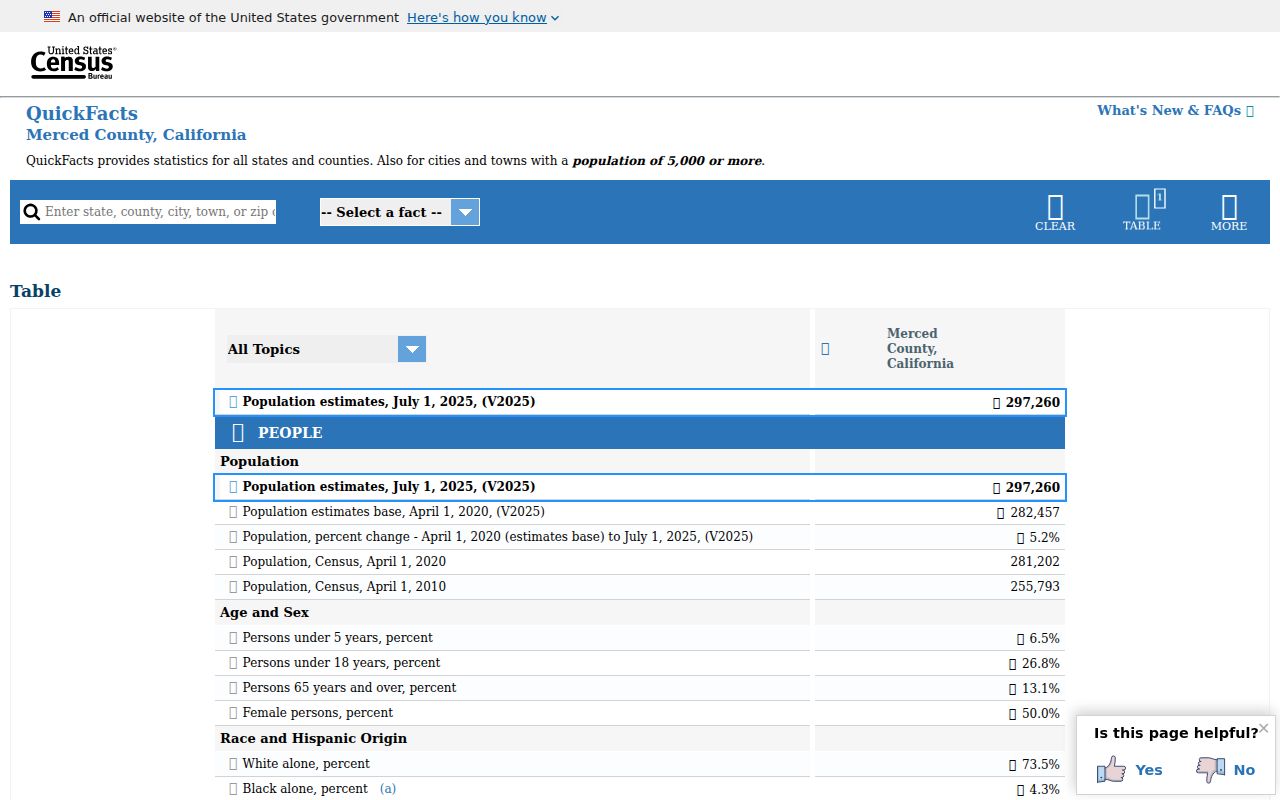
Regional population figures describe an agency service area, not the criminal history of any person.
The county's Adult Probation Field Services page documents one stage that may follow a conviction and court order.
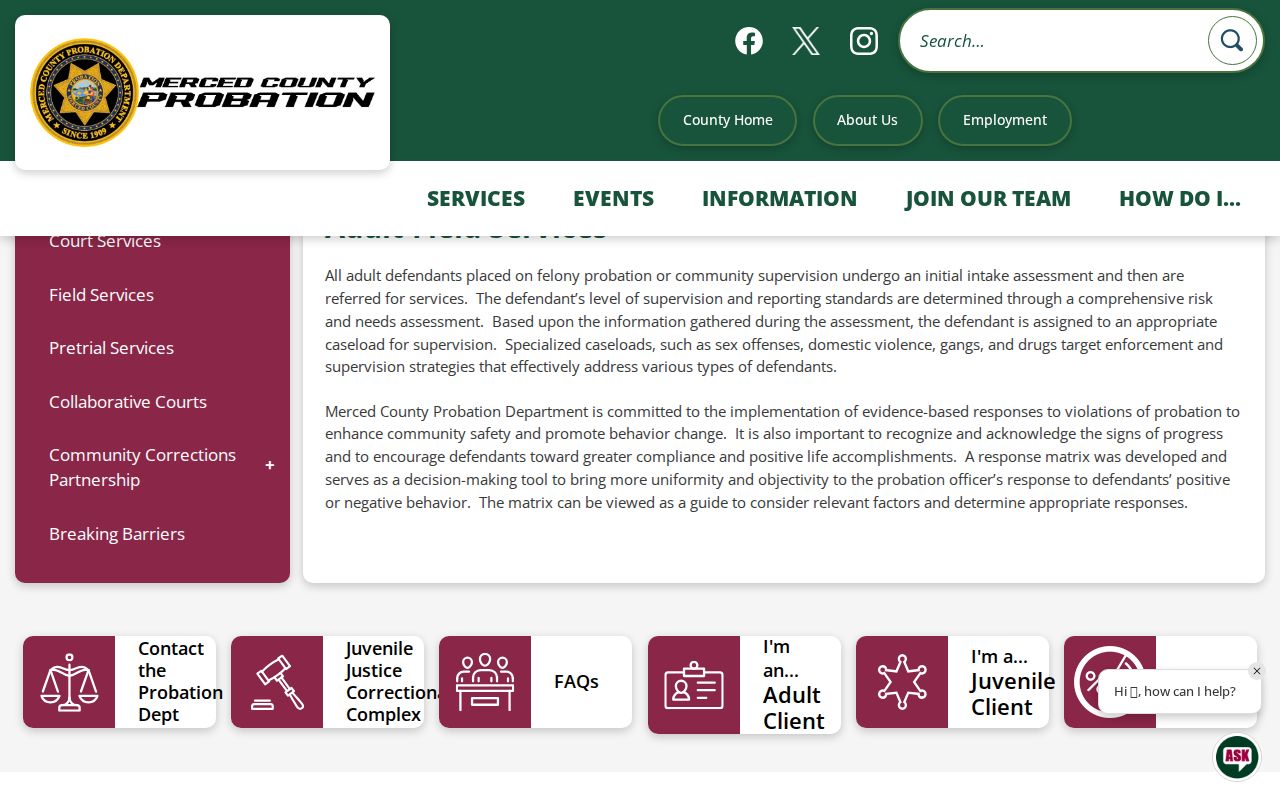
Probation supervision is distinct from the Atwater police report, county booking, and Superior Court case file.
Public Access Rules
Atwater police files are subject to the California Public Records Act, law-enforcement exemptions, privacy rules, and other confidentiality laws. A releasable report may still contain redactions. Court files follow court-access rules and sealing orders. DOJ summary criminal history is restricted by statute and is not opened to public name searching by a city request.
Key Statutes:
California Public Records Act grants access to public agency records unless an exemption or confidentiality law applies.
Penal Code § 13300 limits dissemination of local summary criminal history.
California Rule of Court 2.503 governs public electronic court access and remote-access limits.
Ask for a specific report or file and provide useful identifiers. Narrow requests make it easier for the right custodian to apply the correct access rule.